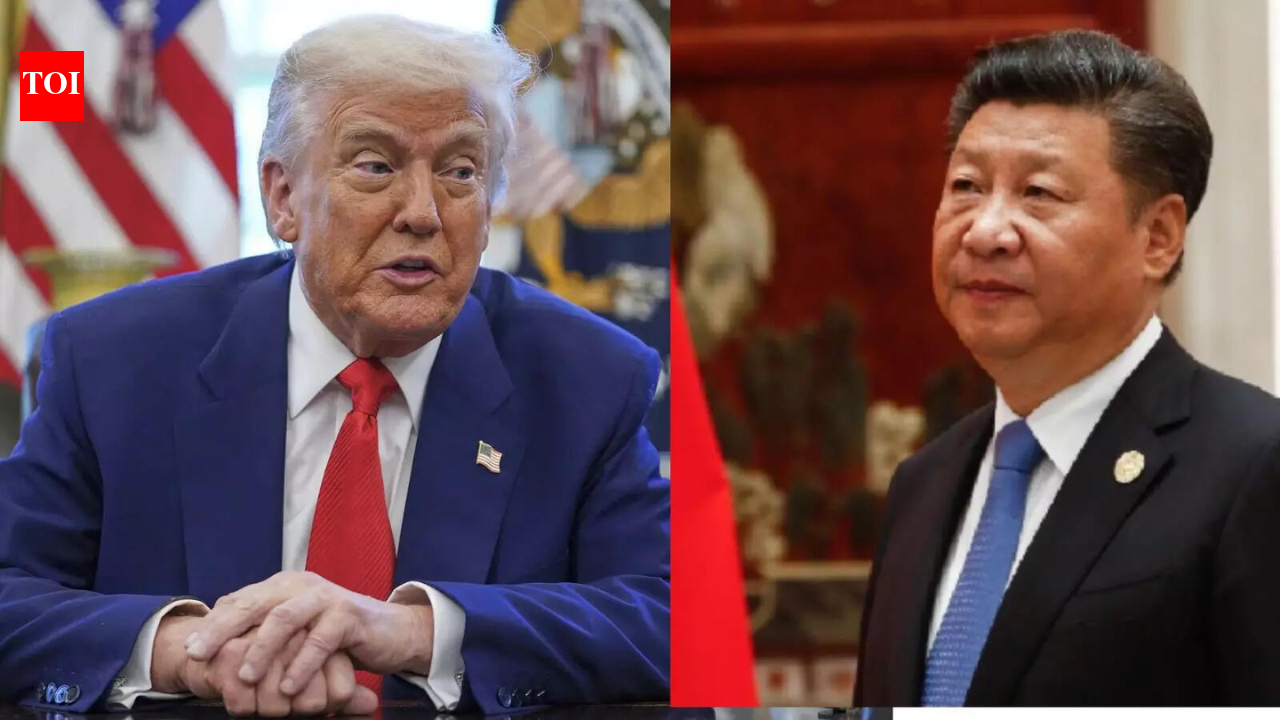
The Trump administration is moving to block China from getting indirect access to American AI technology. This decision aims to close gaps that allowed foreign groups to use powerful computer tools. Officials want to make sure that advanced artificial intelligence stays under strict control.
How does the U.S. block AI technology?
The U.S. government uses trade rules to stop the flow of AI technology to certain countries. In this case, the focus is on preventing China from using American chips and software through third parties. Sometimes companies try to rent space on servers or use cloud services to get around direct bans. These new rules make it much harder for that to happen without anyone noticing.
By stopping indirect access, the government is putting a shield around its most valuable inventions. AI technology is not just for making apps or writing stories anymore. It is now a tool used for national security and big business. Keeping a lead in this field is a top goal for leaders in Washington right now.
Why is American AI technology being restricted?
Leaders are worried that other nations will use American AI technology to build better weapons or surveillance systems. If a rival country gets this tech, they might use it against the United States. This is why the government treats high-end software like a secret piece of military equipment. They want to ensure that American companies do not accidentally help a competitor get stronger.
Another reason for the block is to protect the economy and the jobs that come with it. If American firms keep the best AI technology, they stay ahead of everyone else in the world. This helps the country remain a leader in science and math for a long time. It also forces other countries to try and build their own tools from scratch, which takes many years.
What does this mean for the future of tech?
We will likely see more rules like this as artificial intelligence gets more powerful. The world is splitting into different groups that do not share their best digital tools. This could change how global companies work together on big projects. Experts think this is just the start of a long race to see who can control the smartest machines.
Ordinary people might notice that tech companies have to follow more laws when selling their services. It may become harder for international teams to work on the same software code if they live in different countries. This shift shows that the internet is no longer a place without borders. Every piece of AI technology now has a flag attached to it based on where it was made.
What happened before these new AI rules?
This move follows years of tension regarding how computer parts are sold around the globe. The U.S. previously restricted direct sales of high-end chips to various Chinese firms. However, those firms found ways to use the tech by hiring services in other nations. This new action is meant to stop those clever workarounds for good.
The government has also been looking at how we reuse older parts and materials. Just like recycling old goods helps save resources, keeping tech secrets helps save an edge in power. While we learn to reuse glass and metal, the government is learning to guard its digital ideas. Both actions are about making sure the country has what it needs for the future.



0 Comments