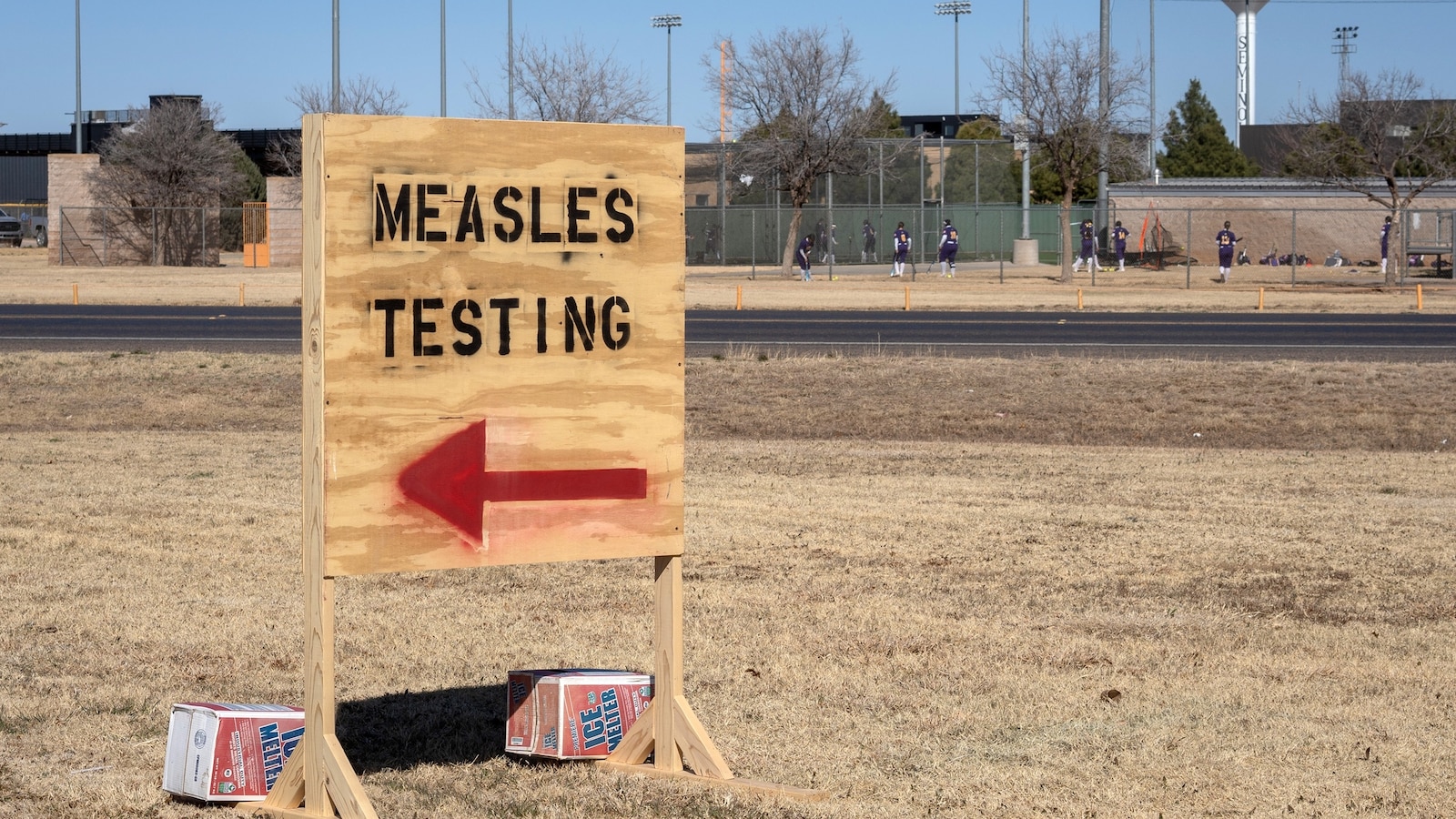
The Centers for Disease Control and Prevention has shared a new report tracking measles cases and outbreaks across the country. Public health officials monitor these numbers to see how quickly the virus spreads. Families and schools use these official alerts to stay informed about local health risks.
What is happening with measles cases and outbreaks?
The new report from the Centers for Disease Control and Prevention highlights active areas with infection. The federal agency follows every single case to stop bigger problems before they start. When a person catches the virus, doctors report it to state teams, and those teams send the data directly to the CDC.
Tracking the numbers helps health leaders notice clusters in towns and cities early. Once an outbreak begins, medical workers step in to test people and share guidance. Knowing the facts quickly helps local clinics protect babies and people with weak immune systems.
What are measles symptoms and how does it spread?
Many people wonder about the signs of measles when cases begin to pop up. The illness usually starts with a high fever, a cough, a runny nose, and red eyes. A few days later, a bright red rash breaks out on the face and spreads down the body.
This virus spreads through the air when an infected person coughs, talks, or sneezes. It is one of the most contagious sicknesses known today. The tiny germs can hang in the air of a room for up to two hours after a sick person leaves.
Why are health experts watching measles so closely?
Public health teams work hard to track any wider measles resurgence in the United States. Years ago, widespread shots kept the illness away from almost every neighborhood. Now, when shot rates dip in certain pockets, the virus finds new paths to travel.
Key reasons health workers keep a close eye on the illness include:
- The virus spreads fast in classrooms, daycares, and public travel hubs.
- Young children face serious ear infections, breathing issues, or hospital stays.
- Doctors need early test results so they can warn nearby families right away.
- High community protection stops the virus from reaching people who cannot take vaccines.
What should families do next?
Parents should check medical records to make sure every child has regular shots up to date. Talking to a local family doctor is the best way to get clear answers. Doctors can tell you if any cases have been spotted in your county or city.
Anyone who feels sick with a high fever and rash should call a clinic before walking in the door. Calling ahead lets nurses prepare an open room so other patients do not breathe the same air. Health teams will continue to watch the national numbers and post updates as they learn more.



0 Comments